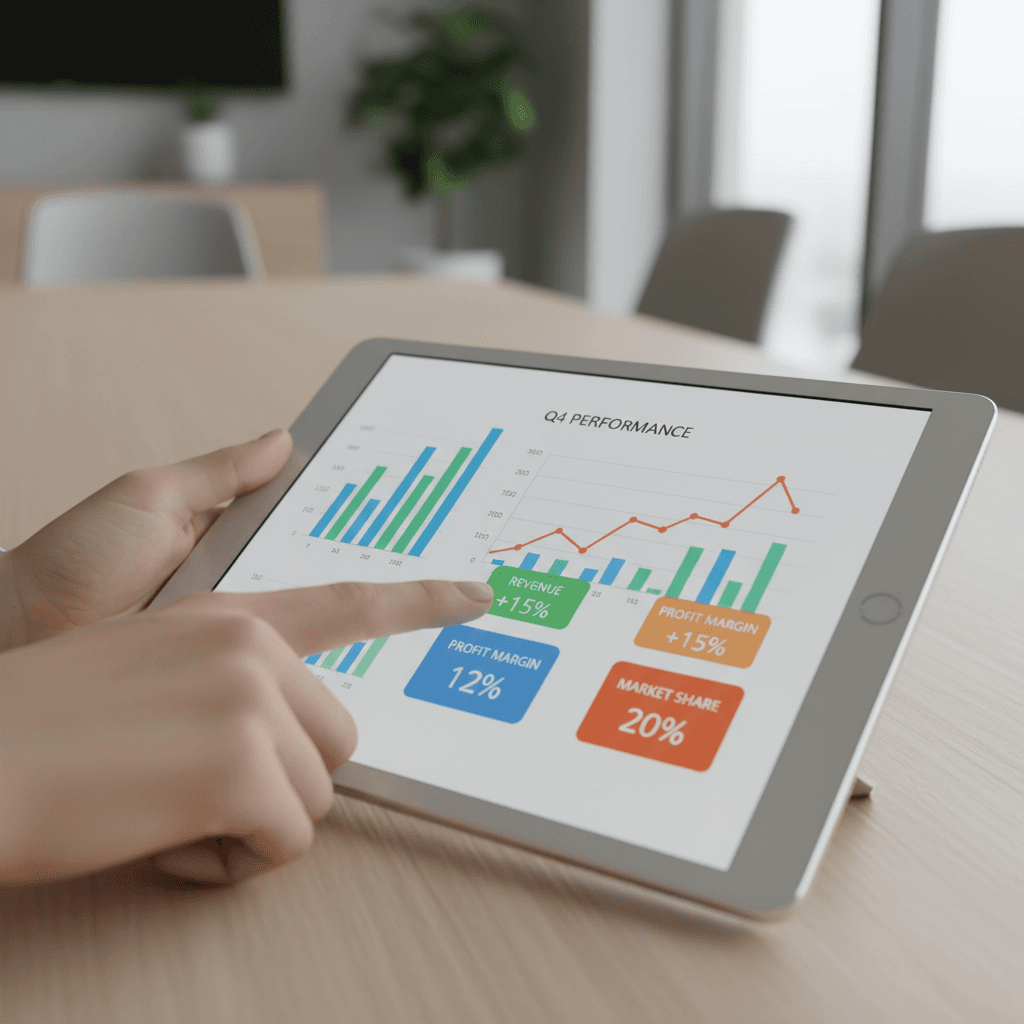
Cash flow forecasting for small business provides a proactive look at future finances by estimating capital inflows and outflows based on historical bookkeeping data. While bookkeeping tracks past transactions, forecasting allows owners to anticipate potential cash shortages and make strategic decisions to ensure long-term stability; this process transforms static records into actionable insights for growth and operational planning.
Many business owners mistake a profitable profit and loss statement for a healthy bank balance, only to find themselves scrambling when payroll or supplier invoices come due. While bookkeeping provides an essential record of the past, it offers little guidance for the road ahead. For Utah contractors and project based businesses, relying solely on historical data is like driving while looking only in the rearview mirror. This article explores why your financial strategy must evolve beyond mere compliance. You will learn the critical differences between looking back and looking forward, the specific cash flow challenges inherent to project work, and how to build a reliable forecasting model. By moving from retrospective reporting to proactive projection, you can trade constant financial uncertainty for the confidence required to scale your operations effectively.
The Difference Between Looking Back and Looking Forward
Driving a business without a forecast is similar to driving a truck through Box Elder County by only looking at the rearview mirror. While it is essential to know where you have been, you cannot navigate the curves of the road ahead without looking through the windshield. Bookkeeping is fundamentally historical. It records every transaction that has already occurred, ensuring your records are accurate for tax season and general compliance. However, looking at last month’s expenses does not necessarily prepare you for next month’s obligations.
This gap between past data and future needs explains why 60 percent of small and medium-sized enterprises struggle with cash flow. It is a common, often painful reality that many businesses fail despite being profitable on paper. Profit is an accounting metric shown on a ledger, but cash is the actual liquid fuel that keeps operations running. A business can have record-breaking sales and still run out of money if those funds are trapped in accounts receivable while payroll and vendor bills fall due.
To bridge this gap, cash flow forecasting for small business acts as a predictive financial planning tool. Instead of looking backward, a forecast estimates your future cash positioning over a 3 to 12 month horizon. It accounts for the specific timing of when money will actually land in your bank account versus when it will leave. By utilizing forward focused accounting services, business owners move from a reactive state to a proactive one. This disciplined approach to cash flow management ensures you have the visibility required to anticipate challenges and secure the resources needed for sustained growth.
Why Bookkeeping is the Foundation but Not the Strategy

A common question small business owners ask is: Does a bookkeeper monitor cash flow? While a bookkeeper tracks every dollar entering and leaving the business, their primary role is record-keeping and compliance. They ensure your books are reconciled and your Accounts Receivable (AR) and Accounts Payable (AP) are current. This provides the clean data required for any forward-looking analysis, but tracking transactions is not the same as managing future liquidity.
Strategy begins where data entry ends. Reliable cash flow management requires looking beyond a standard Profit and Loss (P&L) statement. A P&L shows your earnings and expenses over a set period, indicating if you are profitable on paper. However, it does not account for the timing of those funds. You might show a significant profit for the month while your actual bank balance remains dangerously low because customers have not yet paid their invoices.
Forecasting takes the historical accuracy provided by your bookkeeper and applies it to a future timeline. It accounts for upcoming payroll, tax obligations, and vendor payments, showing you exactly when your cash will be available. Without disciplined bookkeeping as a foundation, a forecast is just a guess; but without the forecast, your bookkeeping is merely a record of what has already passed.
Strategic Benefits of Cash Flow Forecasting for Small Business

Shifting from static records to active strategy requires a disciplined look at the months ahead. Cash flow forecasting for small business provides several distinct advantages that simple record-keeping cannot replicate, transforming your data into a roadmap for growth.
Anticipating Liquidity Gaps: Research indicates that over 20 percent of businesses fail in their first year because of cash management issues. A forecast allows you to identify a potential cash shortfall three or four months before it occurs. This lead time is the difference between a controlled adjustment and a financial crisis. It provides the space needed to renegotiate vendor terms or accelerate your collection process on outstanding invoices before the bank account hits zero.
Testing Business Decisions with Scenario Planning: Before committing to a major expense, such as hiring a new project manager or purchasing specialized equipment, you can model a "what if" scenario. By using forward focused accounting services, you can see how that additional overhead will impact your bank balance over the next six to twelve months. This helps you determine not just if you can afford the purchase today, but if you can sustain the increased burn rate during a typical seasonal slow period.
Strengthening Relationships with Utah Lenders: When applying for a line of credit or an equipment loan in Utah, local lenders look for evidence of financial foresight. A structured 12 month projection demonstrates that you have a professional grasp of your operations. Providing these detailed insights shows lenders that you are a lower risk because you can clearly prove your ability to meet debt obligations even as market conditions fluctuate.
Identifying Growth Windows: Traditional bookkeeping tells you that you have extra cash now; forecasting tells you that you will have a surplus for the foreseeable future. This clarity allows you to reinvest with confidence. Efficient cash flow management identifies the perfect moments to prepay for materials to lock in a lower rate or to expand your service area, ensuring you are taking calculated steps rather than making guesses based on current balances.
Cash Flow Challenges for Utah Contractors and Project Based Businesses

For contractors and project-based businesses across Northern Utah, the gap between starting a job and receiving the final check is often a financial minefield. In Box Elder County, seasonal fluctuations play a massive role; a heavy winter can halt outdoor projects, while the spring thaw requires significant upfront capital for mobilization. This initial phase demands cash for equipment, materials, and labor long before the first milestone payment arrives.
A major hurdle for local trades is the "pay when paid" clause common in many subcontracts. These agreements mean your business might wait on a general contractor to receive funds before you see a dime, regardless of when your work was completed. Utilizing disciplined cash flow management allows you to account for these contractual delays rather than being surprised by them.
A specialized construction cash flow forecast bridges the gap between these outflows and the eventual project draw. By mapping out when material invoices are due versus when a client is likely to pay, you can determine if you have the liquidity to safely take on a new contract. This proactive application of cash flow forecasting for small business ensures that growth does not lead to a cash crisis. Using forward focused accounting services to map these cycles helps you maintain the working capital needed to sustain your team through both the lean winter months and the high-demand summer construction season.
How to Build a Reliable Cash Flow Projection
Building a projection that actually guides your business requires a transition from recording what happened to modeling what will happen. This process begins by gathering historical data from your bookkeeping software, such as QuickBooks. Accurate records of previous years provide the baseline for seasonal spending patterns and recurring revenue cycles specific to your operations in Box Elder County.
Once you have your baseline, follow these disciplined steps to build your projection:
Estimate Future Sales: Review your current pipeline and signed contracts. Only include revenue with a high probability of closing. For project-based work, base these figures on your current bidding success rate rather than optimistic goals.
Categorize Expenses: List your fixed costs, such as rent and insurance, which remain constant. Then, estimate variable expenses like materials, fuel, and labor. These should scale based on the volume of work you projected in step one.
Factor in Timing: This is the most vital component of cash flow management. Record when cash will actually enter or leave your account. If your standard contract has a 30 day payout but clients typically pay in 45, your forecast must reflect that 15 day gap to remain accurate.
Developing a 12 month outlook allows you to see beyond immediate bills and prepare for the full business cycle. This long term view is essential for planning best and worst case scenarios, such as a major equipment failure or an unexpected delay in a large project draw. While many businesses rely on manual spreadsheets, these are often prone to broken formulas and outdated information. Prediction Accounting utilizes modern tools and forward focused accounting services to create dynamic models that sync with your live data, providing a real time view of your financial future.
Common Forecasting Mistakes to Avoid
Even with a structured process, a forecast is only as effective as the accuracy of its assumptions. One of the most frequent errors in cash flow forecasting for small business is over-optimism regarding payment timing. Business owners often record revenue based on when a job is completed rather than when the funds actually clear the bank. If your historical data shows that clients typically pay in forty-five days despite having thirty-day terms, your forecast must reflect that reality to avoid a liquidity crunch.
Another common pitfall is forgetting intermittent but substantial outflows. Annual insurance premiums, Utah state tax obligations, and federal quarterly estimates are not monthly expenses, yet they represent significant hits to your cash position. Finally, treating a projection as a static task rather than a living document leads to an outdated strategy. Successful cash flow management requires regular updates to compare your actual bank balance against your projections, allowing you to refine your forward focused accounting services and stay prepared for real-world shifts.
Moving Beyond Compliance to Financial Confidence
Transitioning from basic compliance to true financial confidence requires a shift in perspective. For many business owners in Box Elder County, accounting is often viewed as a seasonal necessity for tax filings. However, Prediction Accounting helps you move beyond these historical records to a state of constant readiness. By utilizing forward focused accounting services, you gain the ability to spot growth opportunities that stay hidden within standard ledgers.
Effective cash flow management is rooted in discipline rather than reaction. Having a professional partner to interpret trend analysis and forecasting data ensures you are not just seeing numbers, but understanding the narrative of your business. This clarity allows you to navigate Northern Utah’s unique seasonal cycles with certainty rather than guesswork. When you integrate cash flow forecasting for small business into your regular routine, you transform your financial data into a strategic asset. To begin moving your business toward a proactive and prepared future, contact our team for a disciplined approach to your financial organization.
Effective bookkeeping keeps your records accurate, but cash flow forecasting provides the clarity you need to plan for the future. By moving beyond simple data entry, you can anticipate hurdles and seize growth opportunities with confidence. If you want expert help navigating these financial insights to strengthen your business, exploring our tailored Services is a great next step. Our team ensures your strategy remains proactive, allowing you to focus on what you do best while we handle the complex projections.