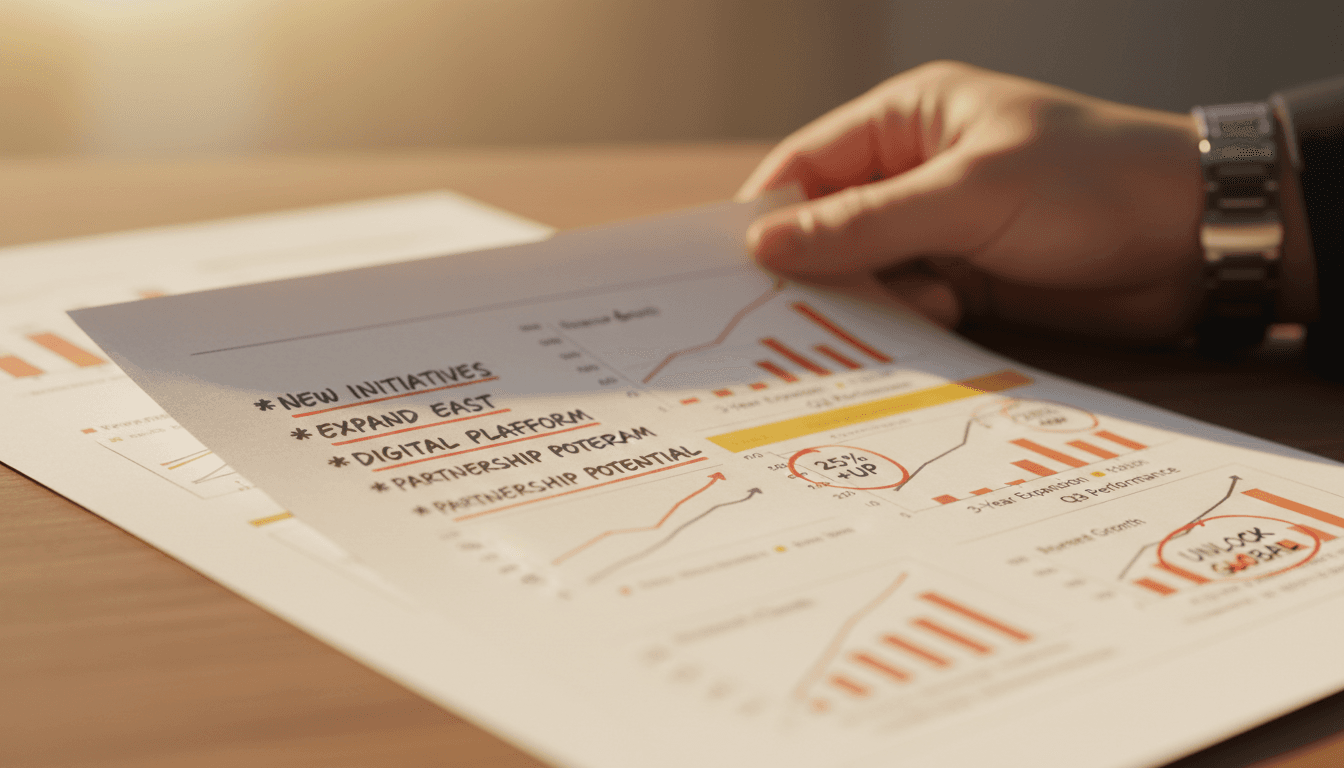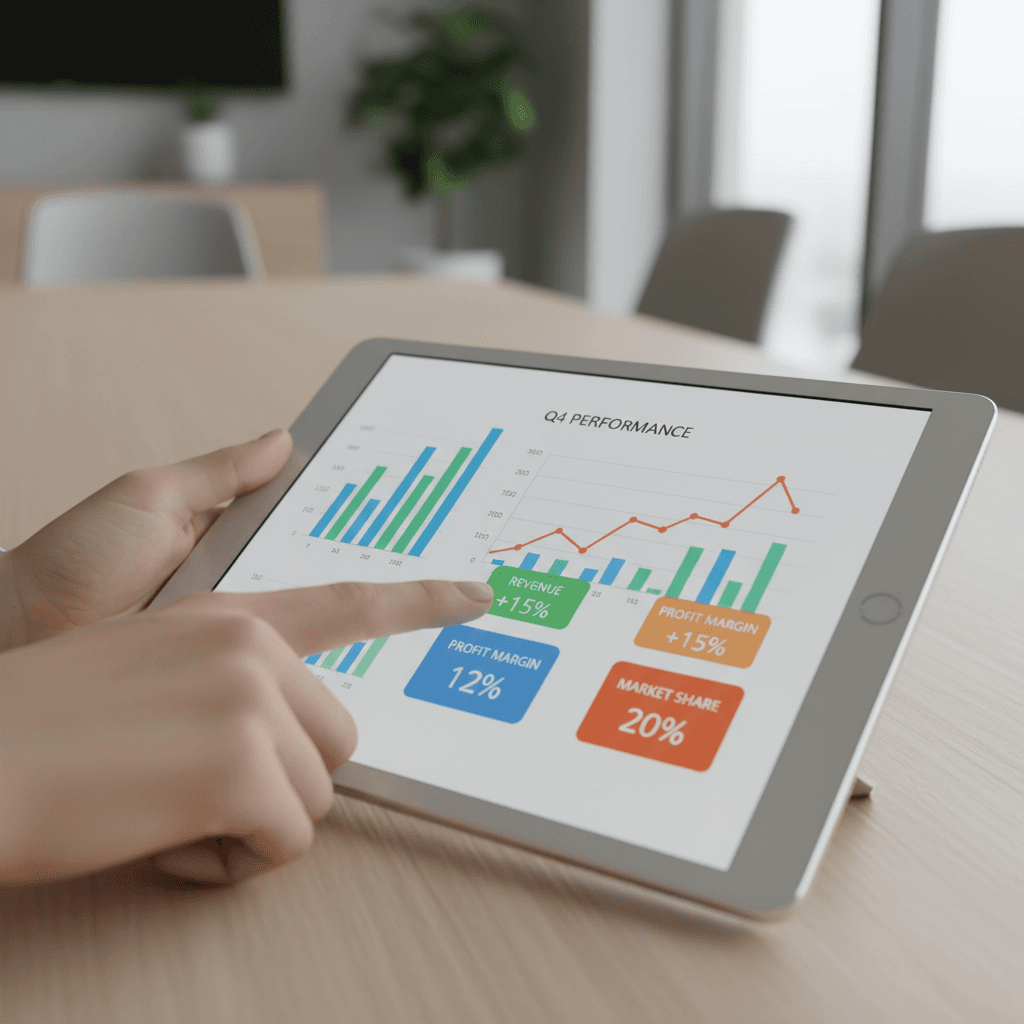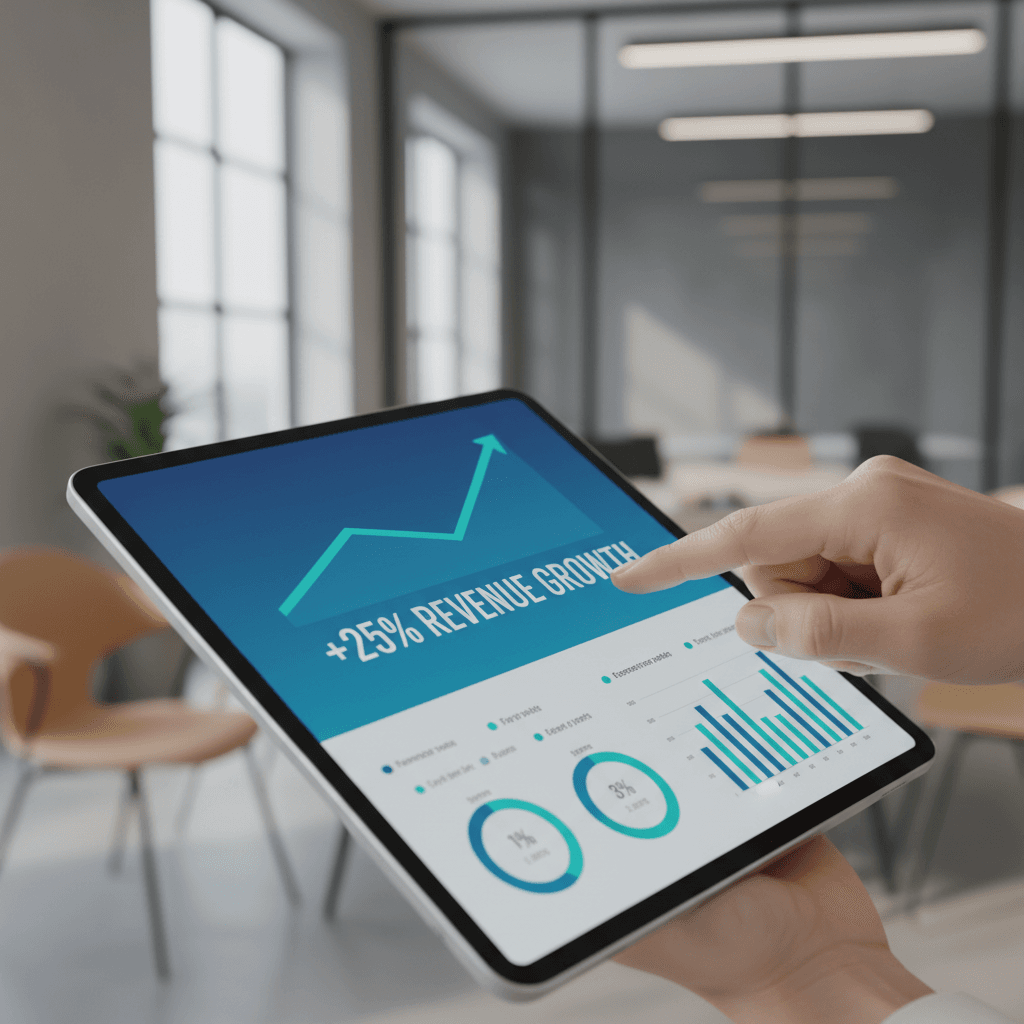
Effective small business budgeting and forecasting involves using historical revenue and expense data to set realistic targets while regularly adjusting projections based on actual performance. By categorizing fixed and variable costs and monitoring cash flow monthly, business owners can transform a static document into a dynamic roadmap that guides informed financial decisions.
Most small business owners treat their annual budget like a New Year's resolution. They spend weeks in spreadsheets during December only to let those documents gather dust while they navigate the daily chaos of cash flow. This static approach turns your financial planning into a historical record rather than a strategic asset. To truly lead your company, you must transition from passive tracking to active steering. In this guide, we break down the critical distinction between your budget and your forecast; essentially the difference between a map and a GPS. You will learn how to construct a resilient financial framework, leverage forecasts to predict cash flow, and account for specific regional economic trends here in Utah. By the end, you will have the tools to transform your budget from a stagnant spreadsheet into a proactive mechanism for growth.
The Set it and Forget it Trap: Why Most Small Business Budgets Fail
Many business owners dedicate hours in January to building a detailed financial spreadsheet, only to never look at it again. This "set it and forget it" approach turns a strategic tool into a historical artifact that loses relevance by March. A static budget is a fixed plan based on assumptions made at a single point in time. When reality diverges from those assumptions, the static budget fails to provide guidance, often leading to missed growth opportunities or unexpected cash crunches.
At Prediction Accounting, we believe a budget should be a living document that helps you understand their finances in real time. For businesses in Box Elder County, a rigid plan is particularly risky. Local contractors often face fluctuating seasonal costs due to Utah winters, while retailers must navigate shifting agricultural cycles and market trends. Relying on a once a year glance means you are essentially driving while looking in the rearview mirror.
To predict growth and plan effectively, your financial tools must evolve alongside your operations. Effective small business budgeting and forecasting requires disciplined review and the flexibility to pivot when the local economy changes. By moving away from static reporting and toward reliable accounting services, you ensure your business stays compliant, informed, and prepared for whatever the next quarter brings.
Budget vs Forecast: Understanding the Map and the GPS
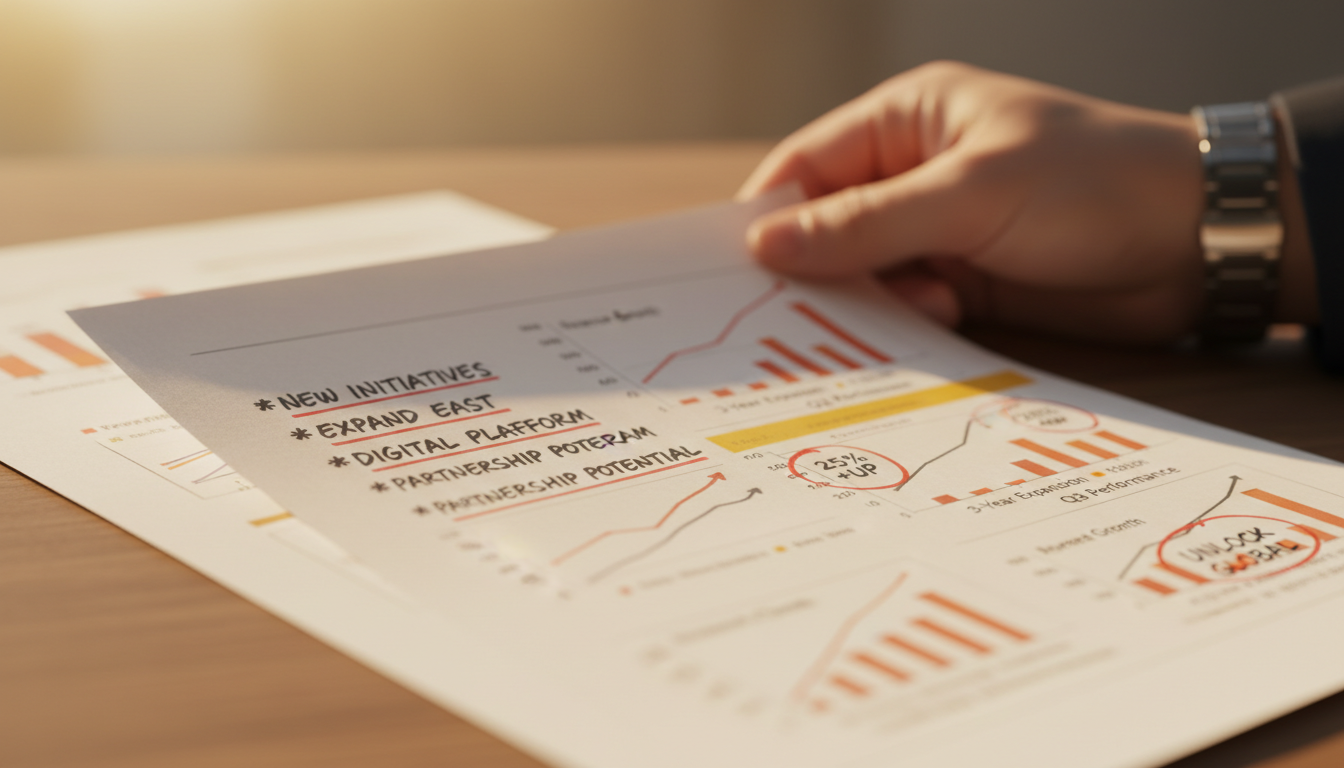
Business owners often ask if there is a difference between a forecast and a budget. While the terms are frequently used interchangeably, they serve two distinct functions in your financial management. Think of your budget as the map and your forecast as the GPS.
The budget is your destination. It is a goal-oriented allocation of resources that establishes what you intend to earn and spend over a specific period, usually the fiscal year. For a local contractor, this is similar to the original set of blueprints for a project. It outlines the scope, the materials needed, and the expected profit margin before the first shovel hits the dirt. It represents your strategic intent and sets the benchmarks for success.
A forecast, conversely, is a projection based on current performance and external trends. It is the GPS that accounts for real-time traffic and road closures. If a project in Tremonton is delayed by two weeks due to weather, or if the cost of specialized equipment spikes unexpectedly, your forecast reflects that reality. While the budget tells you where you want to go, the forecast tells you where you are actually heading based on your current trajectory.
Effective small business budgeting and forecasting requires using both tools in tandem. By comparing your destination to your current path, you can make informed adjustments rather than reacting blindly to a bank balance that is lower than expected. This discipline allows you to pivot quickly, ensuring that you predict growth and plan with data rather than guesswork.
How to Build a Small Business Budget That Actually Sticks
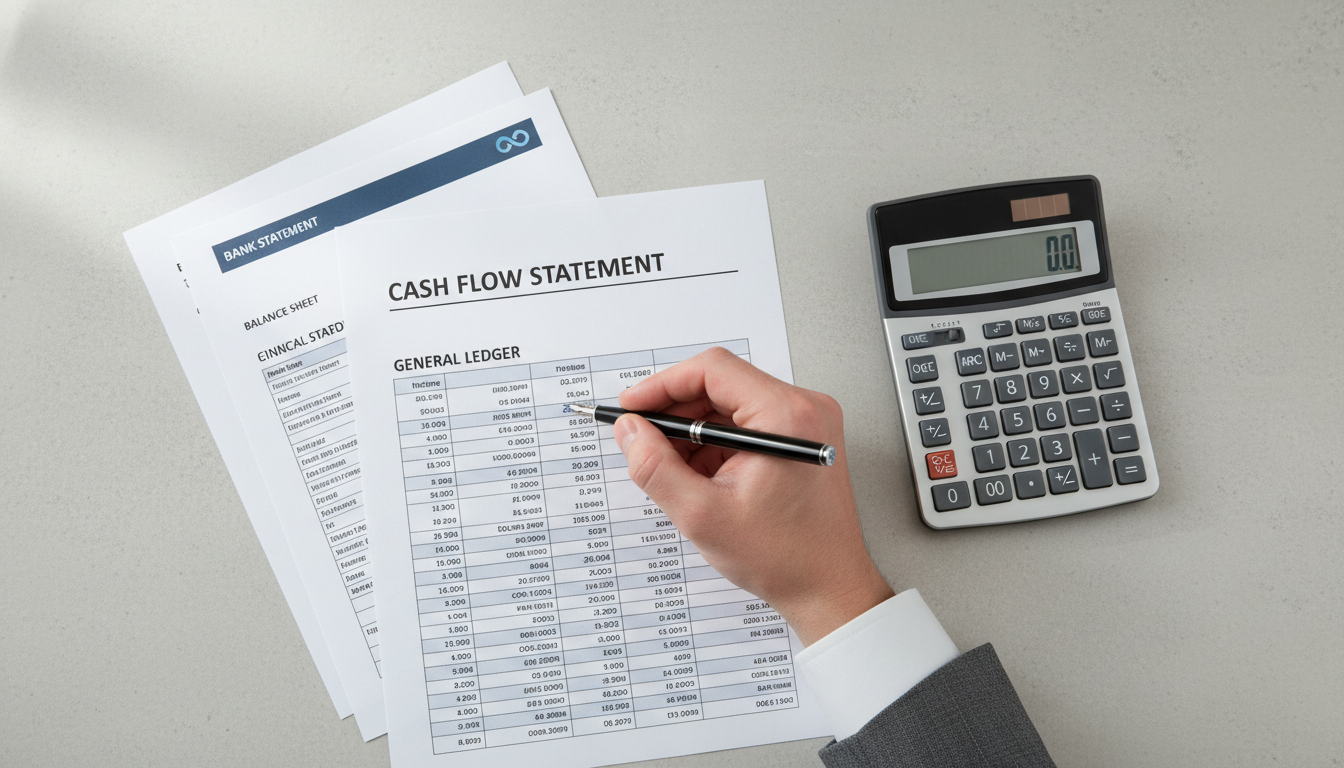
Building a functional budget starts with grounding your goals in historical reality. To create a foundation for small business budgeting and forecasting, look back at your last 12 to 24 months of performance. This timeframe is crucial for local businesses in Box Elder County because it captures full seasonal cycles, such as the peak summer construction months or the winter slowdowns common in Northern Utah. By analyzing your past income, you can establish a conservative revenue floor and a realistic ceiling based on actual capacity.
Once you have a revenue baseline, categorize your expenses into three distinct buckets:
Fixed Costs: These are your non-negotiables that remain steady regardless of sales volume, such as rent for a shop in Brigham City, professional insurance, and subscription fees for essential tools.
Variable Costs: These fluctuate based on business activity. For a local contractor, this includes Cost of Goods Sold (COGS) like lumber and plumbing supplies, as well as project-specific labor and marketing spend.
One-Time Capital Expenditures: Plan for significant, infrequent purchases. If you need to replace a delivery truck or upgrade your diagnostic equipment next year, these must be accounted for early so they do not drain your operating cash.
Many owners find the 50/30/20 rule to be a helpful benchmark for these allocations. This framework suggests dedicating 50% of revenue to operations, 30% to growth and marketing, and 20% to taxes and savings. While this is a useful starting point to help you understand their finances, it is not a strict law. A growing business might temporarily shift more toward growth, while a stable firm might prioritize higher savings. Utilizing reliable accounting services helps you adjust these percentages based on your specific industry and goals. By defining these boundaries, you predict growth and plan with a framework that actually supports daily decisions.
The Steering Mechanism: Using Forecasts to Predict Future Cash Flow
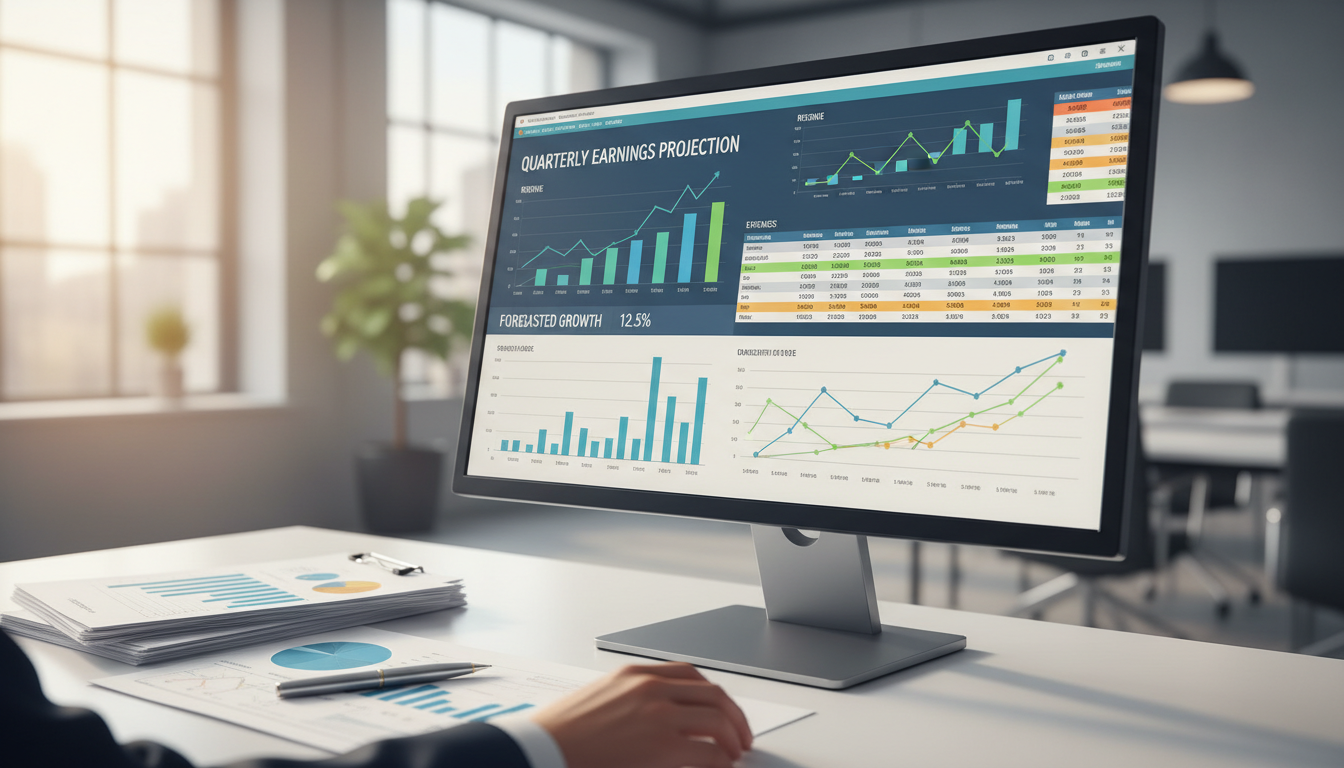
A budget defines your limits, but forecasting provides the agility to navigate them. To turn your financial plan into a steering mechanism, you must regularly pull Actuals from your accounting software and compare them to your original projections. This Budget vs. Actuals report is the baseline for all small business budgeting and forecasting. It highlights where your assumptions were correct and where the market forced a detour. If your material costs were 15% higher than expected last month, the forecast allows you to adjust your pricing or spending immediately rather than waiting for an end of year tax return to see the damage.
We recommend implementing rolling forecasts to keep you looking 3 to 6 months ahead. Unlike a static annual budget, a rolling forecast is updated every month. As one month ends and becomes an Actual, you add a new month to the end of the projection. This constant 90 to 180 day view ensures that a temporary dip in revenue does not become a permanent crisis.
While tools like Excel or specialized forecasting software are useful for organizing data, the value lies in the interpretation. Having the data is not the same as knowing what to do with it. At Prediction Accounting, we use these forward focused insights to help business owners understand their finances deeply. By identifying trends before they fully materialize, we provide reliable accounting services that go beyond simple data entry. This proactive approach allows you to predict growth and plan for new hires, equipment upgrades, or lean seasons with mathematical confidence rather than intuition.
Managing Cash Flow and Spotting Growth Opportunities
Forecasting transforms financial data into actionable insights that drive business expansion. While a budget tells you what you can spend, a forecast reveals when you can spend it. For a contractor in Northern Utah, this clarity is the difference between guessing if you can afford a new framing crew and knowing exactly how that hire impacts your bank balance three months from now. Similarly, a retailer can use these projections to time inventory purchases perfectly, ensuring they have stock for peak demand without tying up critical capital during slower weeks.
Effective small business budgeting and forecasting serves as an early warning system. It allows you to anticipate a potential cash flow crunch long before it appears on a bank statement, giving you the lead time to adjust operations or secure credit. Disciplined financial practices help growing organizations avoid the common trap of being "profitable but broke" by ensuring that cash is available to meet payroll and tax obligations. When you use reliable accounting services to monitor these trends, you move from reactive survival to proactive leadership. This level of foresight empowers you to understand their finances at a granular level and predict growth and plan for new opportunities with precision.
Local Insight: Budgeting for Utah Seasonal and Economic Trends
Operating in Northern Utah requires a financial strategy that accounts for more than just internal numbers. In Box Elder County, the environment dictates the rhythm of commerce. A construction firm in Brigham City, for example, cannot rely on a generic template; they must forecast for the frozen ground months when site preparation slows but equipment maintenance and heating costs often spike. Similarly, businesses tied to the agricultural cycles of the Bear River Valley must plan for high cash outflows during planting and harvest seasons, ensuring they have the liquidity to bridge the gaps between major revenue events.
Northern Utah is also experiencing significant economic growth that demands rapid budget adjustments. When new industrial projects or housing developments move into the area, the local labor market and supply chains shift almost overnight. If your small business budgeting and forecasting process is static, you will likely miss the window to scale your payroll or inventory to meet this new demand. By utilizing reliable accounting services that understand these regional nuances, you can understand their finances within the actual context of the Utah market. This localized foresight allows you to predict growth and plan for expansion, ensuring your business is positioned to capitalize on local opportunities rather than being sidelined by them.
Common Budgeting and Forecasting Mistakes to Avoid
Avoiding common pitfalls is essential to keeping your financial plan functional. One frequent error in small business budgeting and forecasting is overestimating revenue based on aspiration rather than historical conversion rates. This creates a false sense of security that leads to aggressive overspending. Another mistake is ignoring hidden variable costs, such as merchant processing fees, shipping surcharges, or small supply leaks, that compound over time to erode profit margins. Finally, many owners fail to update their projections after significant market shifts, such as a sudden rise in local labor costs or a sharp increase in interest rates.
Staying compliant with tax obligations requires precise historical record keeping, yet your internal management needs the flexibility to respond to these real time shifts. You can maintain this balance by using reliable accounting services to separate your regulatory reporting from your active strategy. Ultimately, the data only serves you if it leads to action. Straightforward communication with a professional who can translate complex spreadsheets into clear decisions helps you understand their finances and ensures you predict growth and plan with total clarity.
Turning a static budget into a dynamic roadmap allows you to navigate the shifting landscape of small business ownership with confidence. By prioritizing flexibility and regular updates, you ensure your financial plan stays relevant to your goals. If you want expert help implementing these strategies or need a more personalized approach to your accounting, you can view our full range of Services online. Let us handle the technical details so you can focus on leading your business toward long term success.